/WSD-horizontal-logo-small-RGB.png?mask=1)
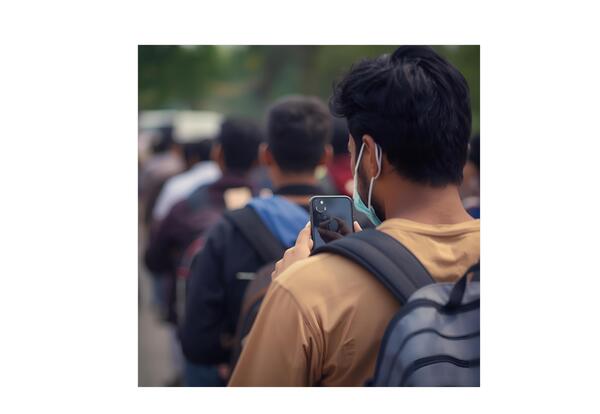
Something has shifted in the lives of young people. Over the past decade, teen depression has surged by more than 60%, while total screen media use has climbed to over eight hours daily. These parallel trends suggest a powerful, complex relationship we're only beginning to understand.
It is critical to acknowledge that the digital world is a powerful force for good. For today's youth, technology fosters global collaboration, supports academic learning, and creates invaluable spaces for community, self-expression, and finding support. The aim is not to ban the technology, but to leverage its benefits while mitigating the serious risks.
Today's youth navigate a digital landscape that previous generations never encountered. Beyond curated feeds and comparison culture, they're increasingly exposed to gore videos, violent memes, and corrosive online spaces where the line between humor and harm blurs dangerously. Recent research warns that some online communities deliberately target isolated or struggling youth, using dark content to normalize hopelessness or even violence.
For schools and families, this reality redefines what we consider worrisome behavior. Warning signs now appear in online posts, shares, and digital fixations, signaling more profound distress or emerging risk. The question is: are we paying attention?
From Restriction to Relationship
The problem isn't just technology—it's silence. As author Heidi Chance reminds us, "We can't protect kids from what we won't talk about."
Research reveals something powerful: 71% of youth say they would tell a trusted adult about a dangerous online situation if they believed the adult wouldn't overreact. Our children want to talk to us, but they need to know we'll respond with wisdom rather than panic.
For school teams and families alike, the necessary shift is from restriction to relationship, fostering a digital experience where safety grows through trust rather than surveillance. When adults model healthy balance, talk openly about online experiences, and show curiosity instead of fear, students learn they can bring their digital worries into the light.
Jonathan Haidt, in The Anxious Generation, offers this powerful reframe: "The opposite of addiction isn't sobriety, it's connection." That connection—consistent, compassionate, and genuine—is the best safeguard we have against isolation and harm. The aim isn't to ban technology, but to build the connections that help students feel supported both on and offline.
When Online Behavior Becomes Worrisome
School threat assessment teams often observe that early warning signs show up digitally. Watch for red flags, such as drastic changes in online tone or interest, including a sudden shift to violent, fatalistic, or self-harming content. Pay attention to repeated exposure or sharing of gore media framed as "dark humor," isolation within online groups that glorify violence or hopelessness, and digital non-verbal expressions such as violent memes, coded weapon talk, or "goodbye" posts. These behaviors don't always indicate intent, but they do signal distress. Early connection, curiosity, and consistent adult response can often redirect what would otherwise escalate unnoticed.
Practical Steps for Parents and Educators
The shift from control to connection starts with small, intentional actions:
Start with Curiosity. When was the last time your student or child taught you something about an app or trend? Let curiosity, not control, lead the conversation. Ask genuine questions about what they're watching, who they're following, and what makes certain content appealing or funny to their generation.
Create Safe Spaces for Disclosure. Make it clear that bringing you a concern won't automatically result in punishment, device confiscation, or lectures. Young people need to know that honesty is rewarded with support, not consequences.
Model Healthy Digital Behavior. Children notice when we're glued to our phones during dinner or scrolling instead of being present. Demonstrating balance teaches more powerfully than any rule we impose.
Stay Informed Without Overreaction. Learn about the platforms and trends your kids engage with, but approach new information with measured concern rather than alarm. Alarm creates distance; understanding builds bridges.
Establish Rhythms of Connection. Regular check-ins about online experiences—casual conversations rather than interrogations—normalize digital discussions and make it easier for youth to share when something feels wrong.
Partner with Schools. When home and school align, young people receive clearer guidance. For example, WSD's phone-free policy reflects our shared commitment to meaningful connection, focused learning, and healthy development. By limiting phone use during the school day, we're creating space for students to be fully present. This models an important principle: technology is a tool we control, not the other way around. We're choosing face-to-face interaction over digital distraction.
91原创 School District offers families additional support through an Online Safety Hub at wenatcheeschools.onlinesafetyhub.io—a comprehensive resource featuring expert guidance on apps, platforms, and digital safety topics. The hub includes conversation starters, safety settings guides, and tools to help parents navigate their children's online experiences with confidence.
Choosing Connection: Building a New Digital Culture.
The digital landscape won't disappear, and we have no desire to roll back the clock. What we can do is refuse to let silence be the dominant response to the challenges young people face. We must meet our children where they are, acknowledging that this digital world is a source of both profound opportunity and serious risk. Connection is both the antidote and the answer. When we choose relationship over rigidity, curiosity over control, and conversation over condemnation, we create conditions where young people can thrive—both online and off.
The work of reclaiming connection in a digital world isn't easy, but it's essential. Our children are navigating unprecedented territory, and they need guides who are willing to walk alongside them with compassion, wisdom, and an open heart. Because ultimately, recognizing early warning signs and responding with connection instead of punishment becomes the first layer of true prevention. And in a world where isolation and harm are just a click away, genuine connection may be the most powerful tool we have.